
About the Project
At Precognitive, I lead the design and product development of an AI-powered healthcare coordination platform that transforms fragmented patient data into a clear, chronological health story.
The platform is designed to help patients and care teams better understand a person’s history across providers, systems, and care settings—without requiring patients to repeatedly reconstruct their medical journey at every new point of care.
Role: Lead UX Designer and Product Manager
Duration: December 2025–Present
The Problem
Healthcare information is often distributed across multiple providers, electronic health record systems, referrals, and care settings. As patients move between organizations, important context can become difficult to access, forcing both patients and clinicians to repeat the same discovery process.
This fragmentation can make it harder for patients to understand their own healthcare journey and for care teams to quickly see the complete picture.
Project: AI-based Healthcare app and web platform
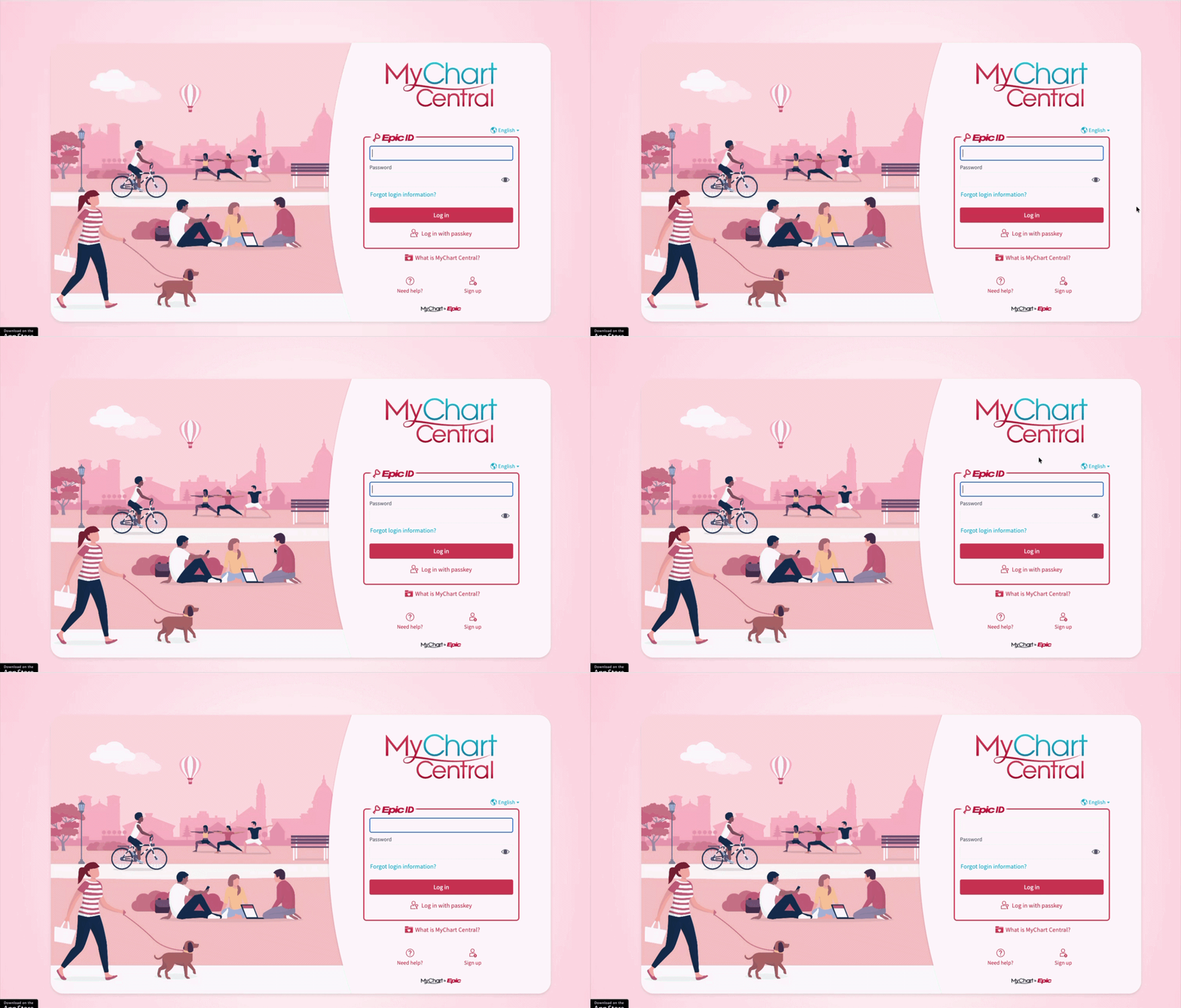
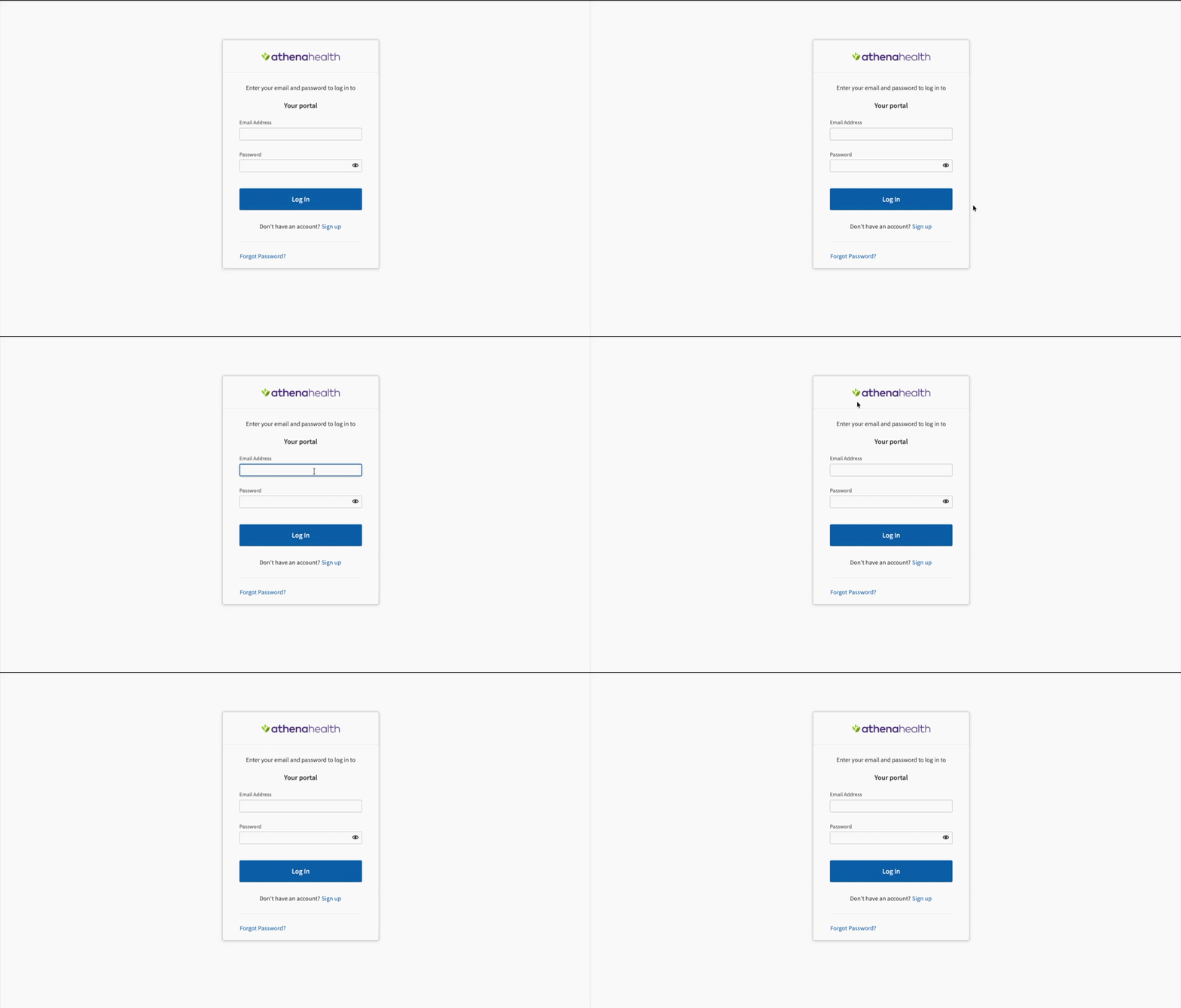
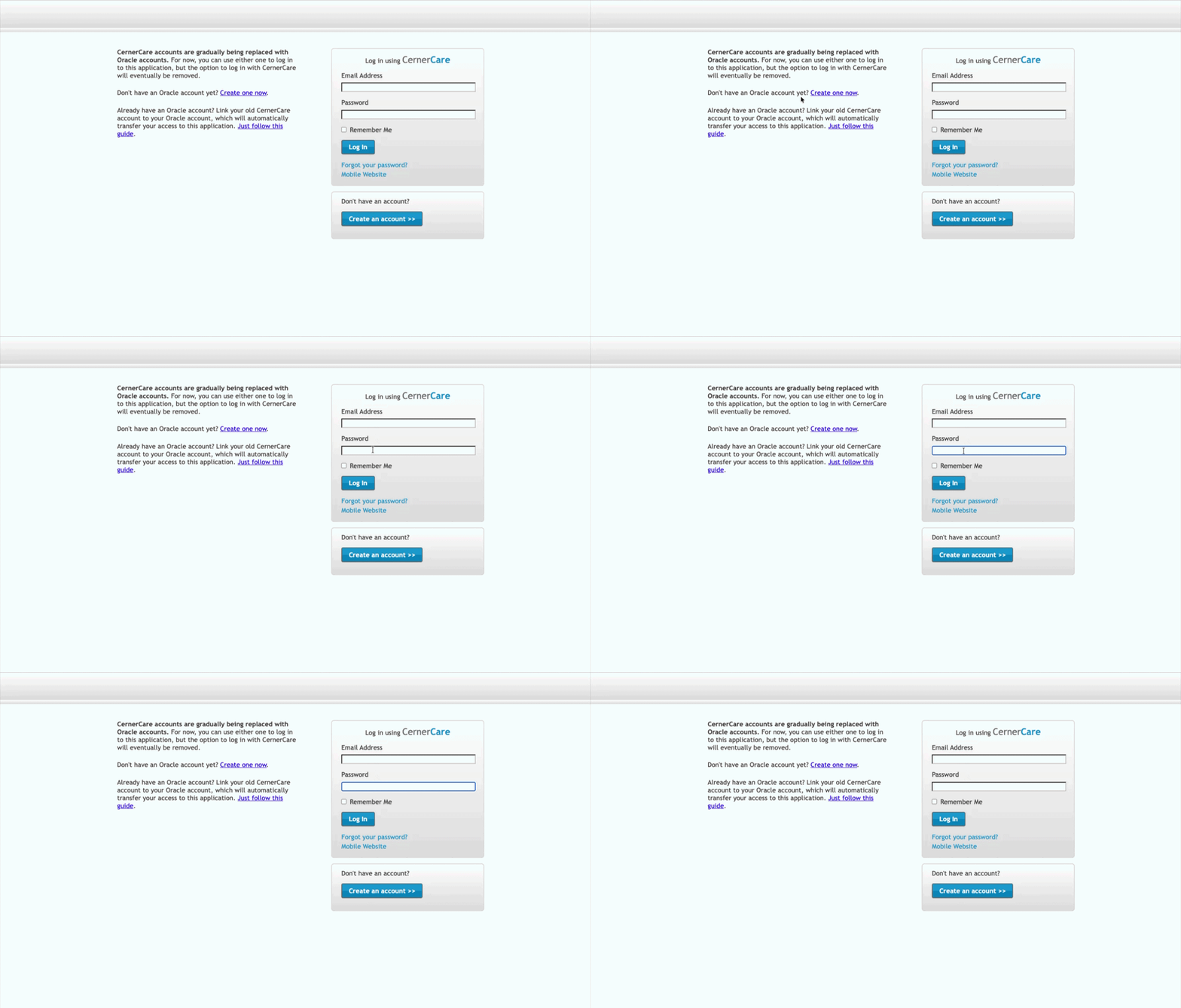
The Approach
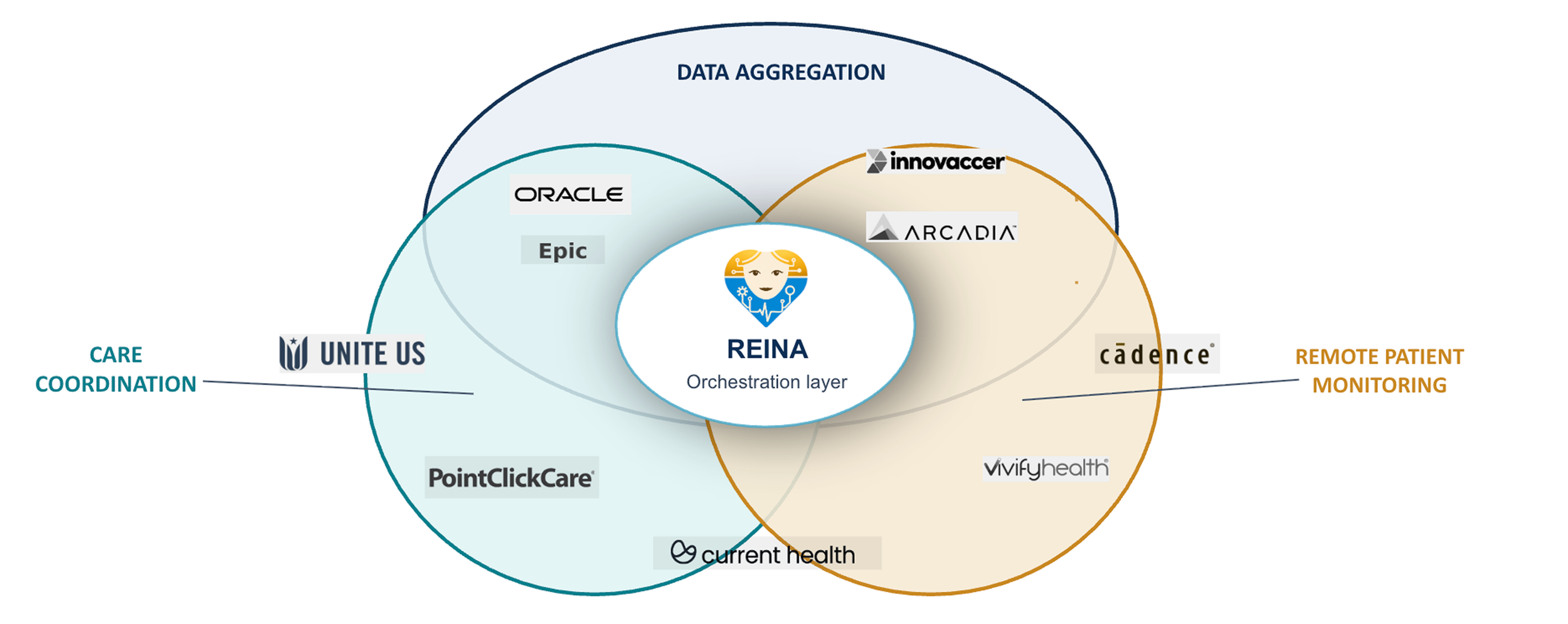
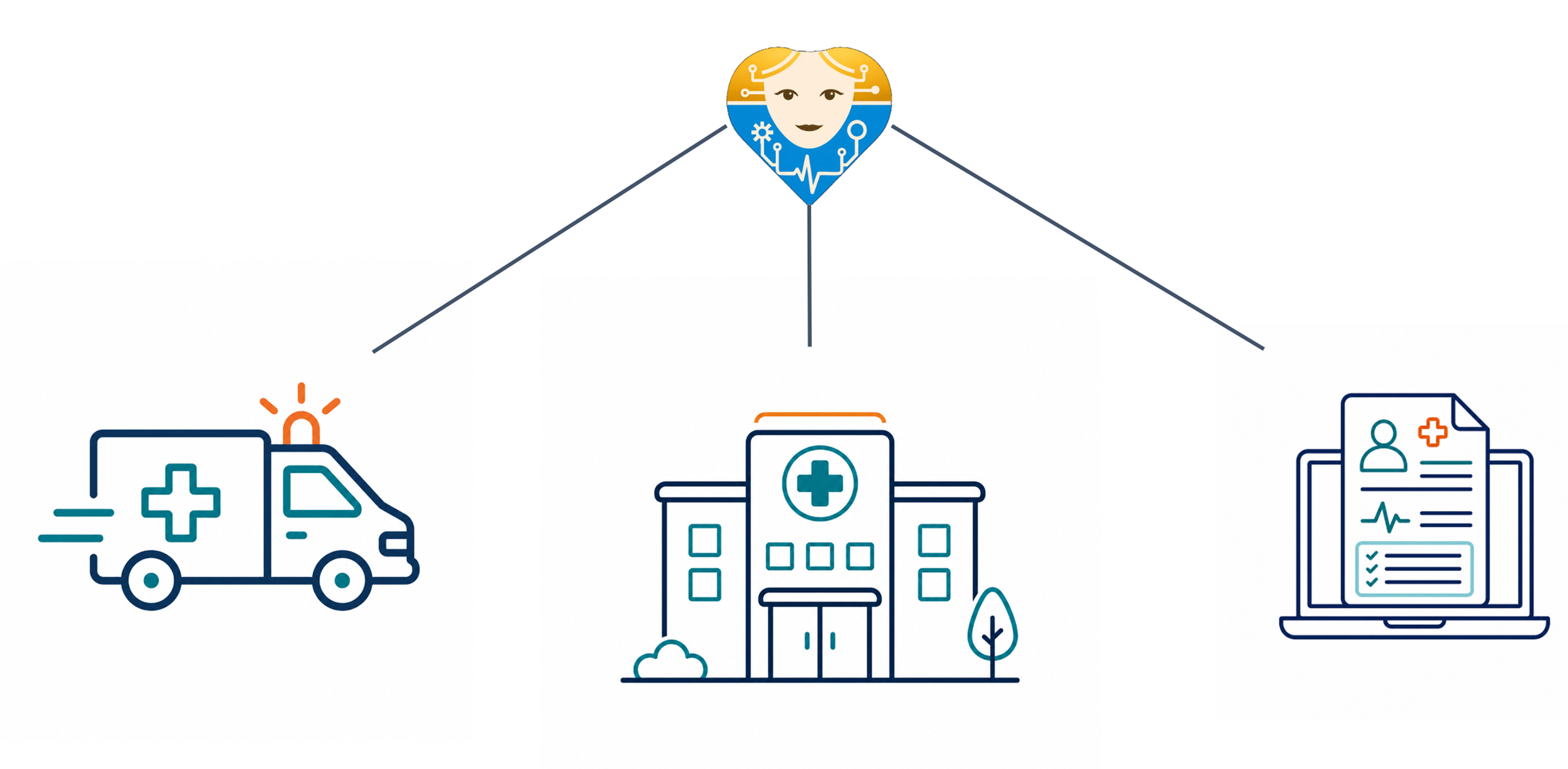
Our team is developing an intelligent platform that allows patients to connect information from multiple healthcare providers and organize it into one accessible, chronological view.
The experience is designed to support:
A clearer understanding of a patient’s health history
Greater continuity between providers and care settings
Secure, patient-directed sharing of health information
Timely reminders, insights, and important health flags
More informed conversations between patients and care teams
One person. One story. One care plan.
My Role
As Lead UX Designer and Product Manager, I guide the product from early research and strategy through design, development, testing, and implementation. This case study provides an in-depth look at my process, responsibilities, and contributions while intentionally omitting confidential product details, proprietary workflows, and protected interface designs.
For information about the company, the populations we serve, or product demonstrations, please visit Precognitive’s website.
Details of Approach
Below, I describe the details of our unique approach to the problems of today’s healthcare world with a simple healthcare app and a clinician facing web app. Starting with information discovery and results, then using research to design our products for an intelligent platform to connect people’s healthcare data, as well as the iterative process of creating features and developing continuously toward our product goals.
01
Information Discovery - Providers

Healthcare information loss is twofold: patients have a difficult time accessing their healthcare data, being spread across different systems, and clinicians and providers are blind to out-of-network healthcare information, often relying on patient-reported or out-of-date information.
To truly understand how this impacts healthcare providers, we surveyed doctors, nurses, social workers, and people in the healthcare system to understand where these blind spots cause issues.
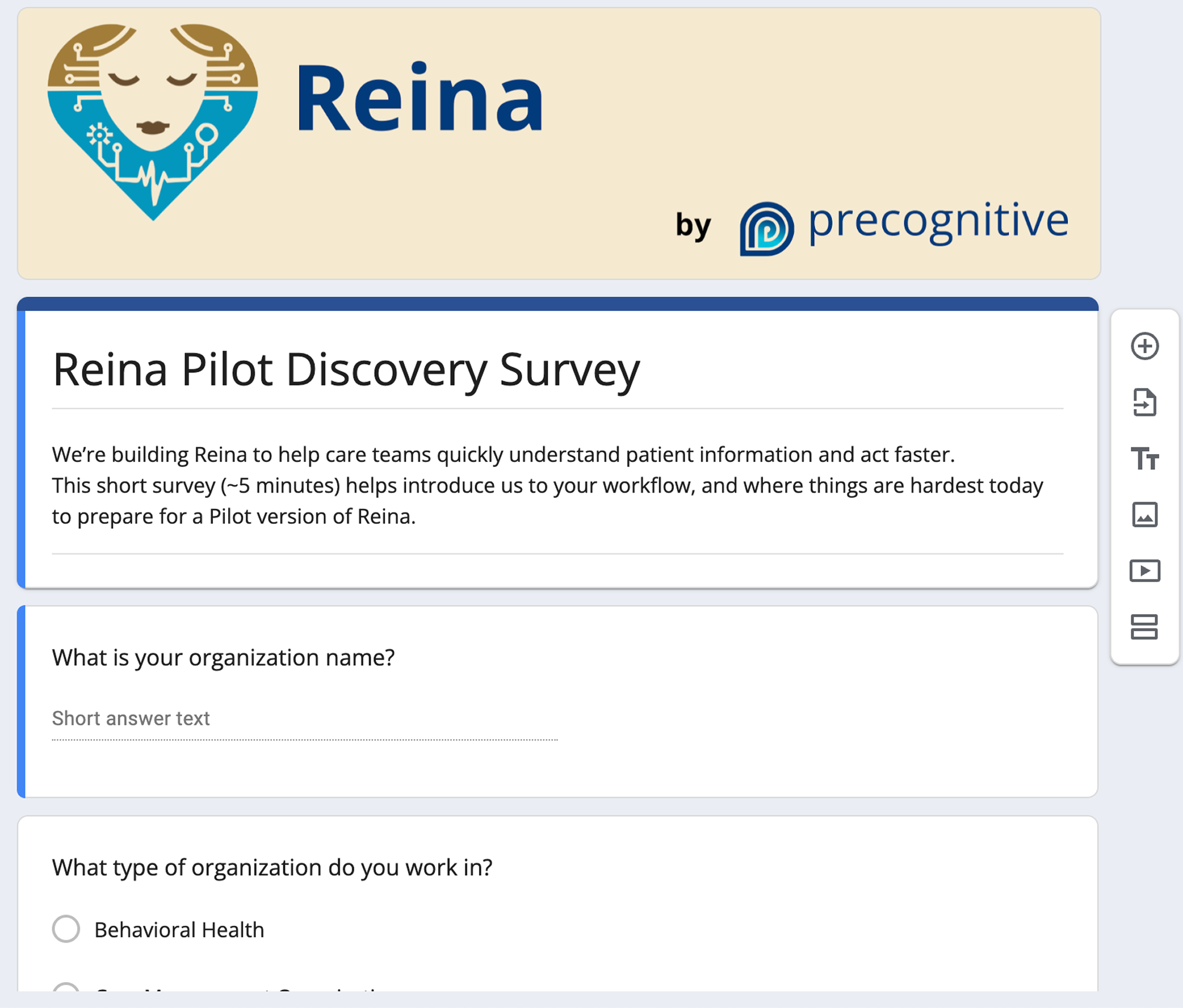
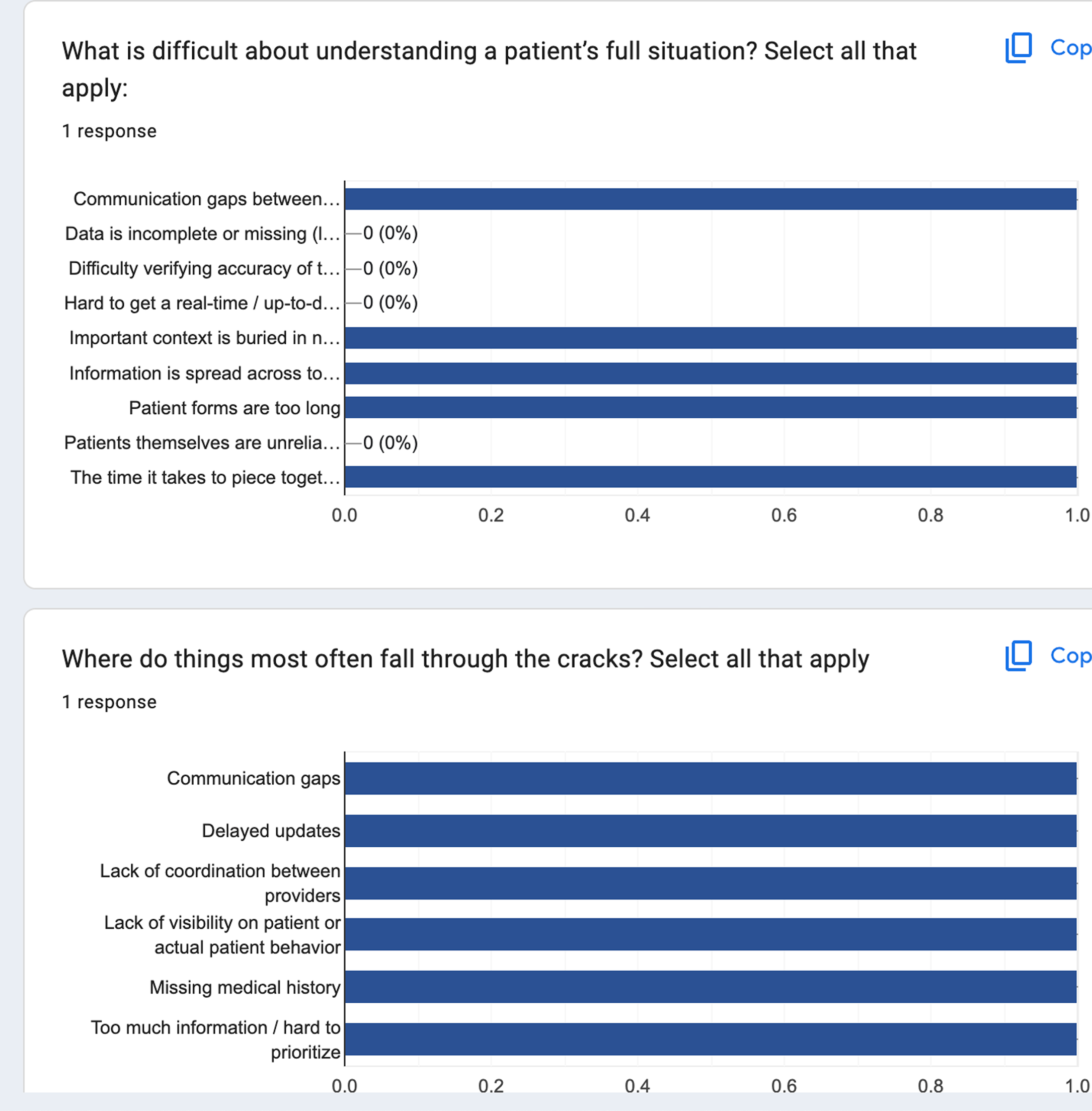
Tool: Google Forms
Using Google Forms, I created a 18 question survey to understand where patient information is lost, how it impacts the caregiving and efficiency, and how healthcare organizations envision a helpful tool to solve their problems
Date
04/03/2026
Summarized Results: Healthcare data is lost at several points in transmission, across systems, and even between providers under the same network.
The impact: unreliable data, slowed and repeated healthcare discovery, and decreased ability to care for patients effectively.
1.1
Follow-up Interview - Clinician Workflow
To understand more deeply how providers work and where these specific points of information and care quality decrease, as well as how to envision where our tool might best serve in their workflows, we conducted in-depth workflow interviews and analysis.
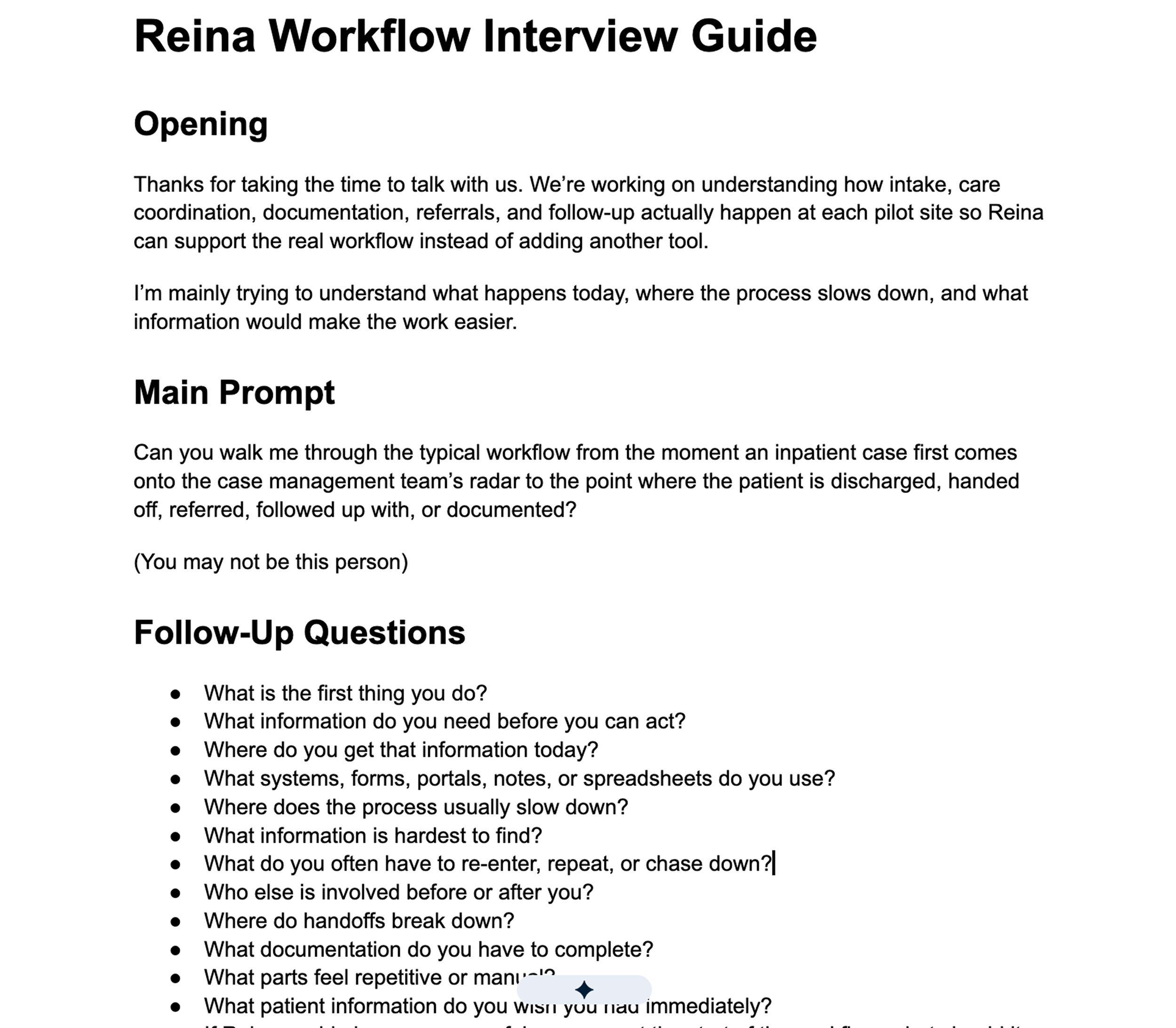
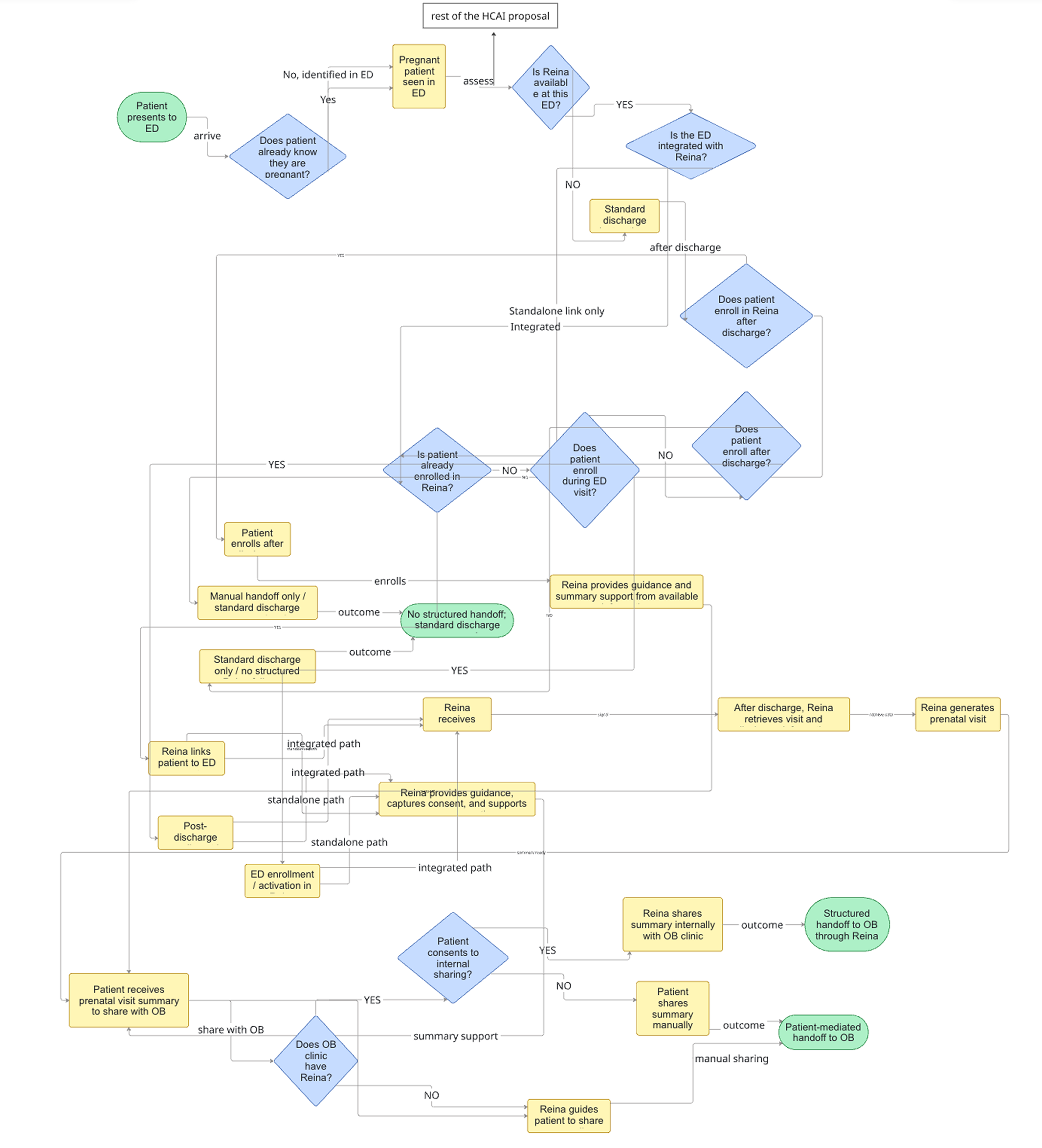
Tool: Semi-Structured, Online Video Interview
To understand how our tool could fit into the workflow of organizations and more deeply understand where an intelligent touchpoint might improve workflows, I conducted 6 semi-structure interviews via Google meet with doctors, nurses, social workers and other providers across different healthcare organizations.
Date
06/22/2026
Summarized Results: Caregivers within institutions have trouble finding patient information within their internal systems, handoffs between providers means context is loss, and in between patient touch-points, caregivers have difficultly finding their patient history.
The impact: patient context and health history suffers and as a result care quality suffers. There is a real gap in understanding at several points of caregiver that our tool can fill.
02
In order to use our research insights to begin product design decisions, we had to zoom out and look at the data and interface decisions we were dealing with. Then we created wireframes and mock ups of an interface for a mobile app for users and clinician-facing web app. These wireframes and mock ups turned into real product decisions and then a demo tool to demonstrate our tool’s intended use, aid more interviews, gain iterative insights.
Designing for Patient Context and Healthcare Systems
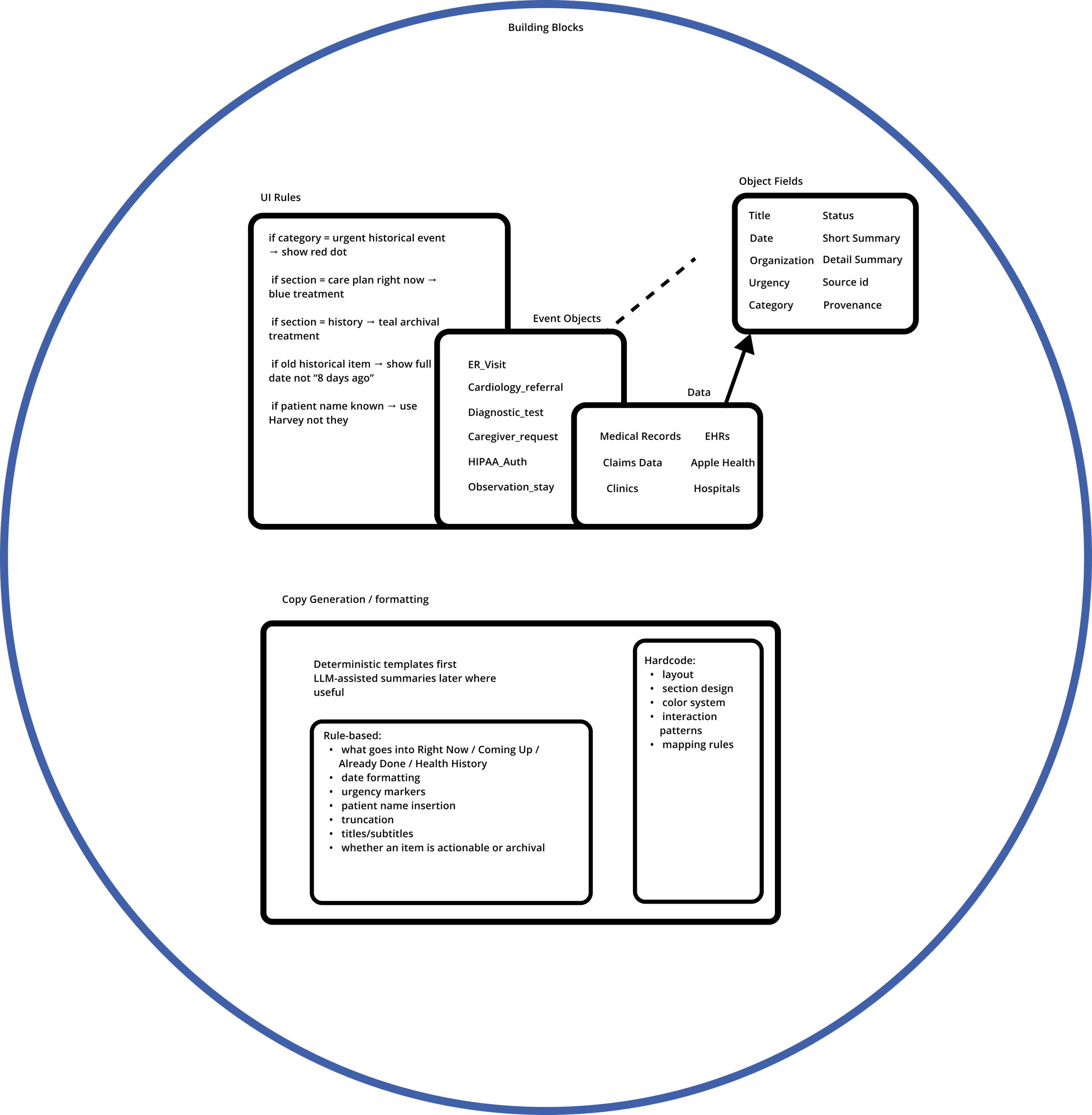
Artifact 1: Data and Interface Rules
I outlined the datatypes, actions, interface rules, and healthcare concerns we were designing for an outlined how they interact
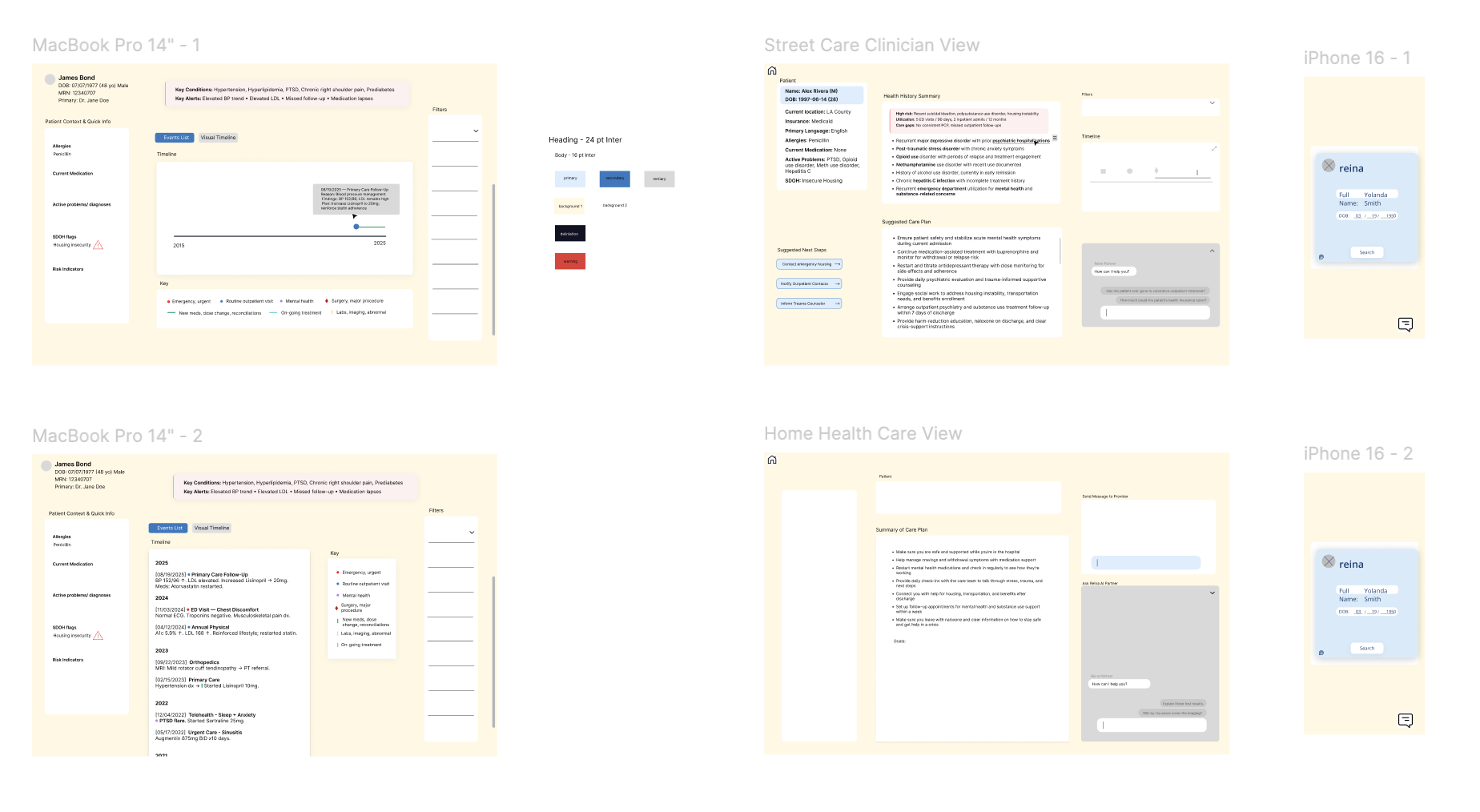
Artifact 2: Wireframing Patient and Clinician-facing Interfaces
I outlined the datatypes, actions, interface rules, and healthcare concerns we were designing for an outlined how they interact